


Erasmus+ Small-scale Partnership in Adult Education
Developing the foundation and cooperative structure of the European Network of Third Places. Improve the skills of third-place project leaders on nourishing and transitional urban planning themes, public accessibility and the federation of the ecosystem.



Aim
Common Ground aims to connect third-place actors across Europe to share practices, build trust, and strengthen cooperation between grassroots initiatives addressing social, ecological, and territorial challenges.
Through exchanges and joint learning, the project seeks to create a European learning network, develop shared tools, and amplify the collective voice of third places on inclusion, sustainability, and civic participation.
Impact
The main results expected are the acquisition and sharing of practical skills on temporary occupation, governance, and project development, alongside the creation of concrete learning tools that can be reused by third-place actors.
At the same time, the project aims to strengthen and expand the network of third places by connecting more actors, fostering civic engagement, and capitalising on the exchange through shared deliverables and continued collaboration.
Funding
This project is co-funded by the European Union through the Erasmus+ Programme.
We are grateful for this support and for the cooperation of all partners and institutions involved

About the training events

Learning visit in France
Erasmus+ Project - Common Ground (WP1)
14 - 17 January 2025
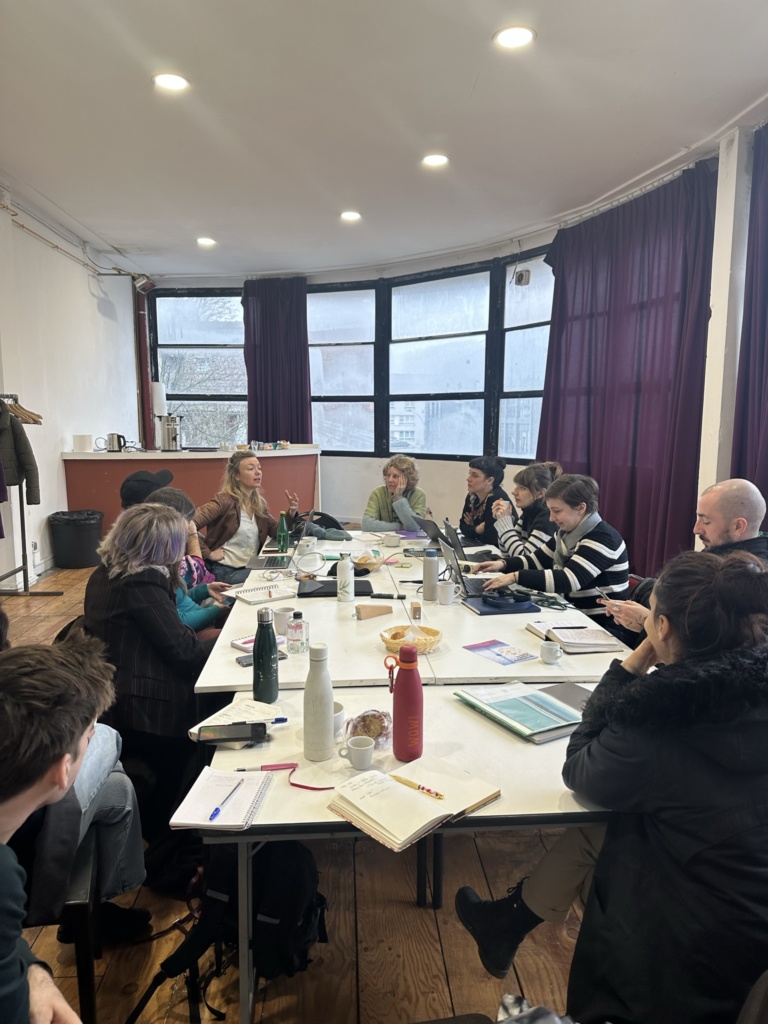
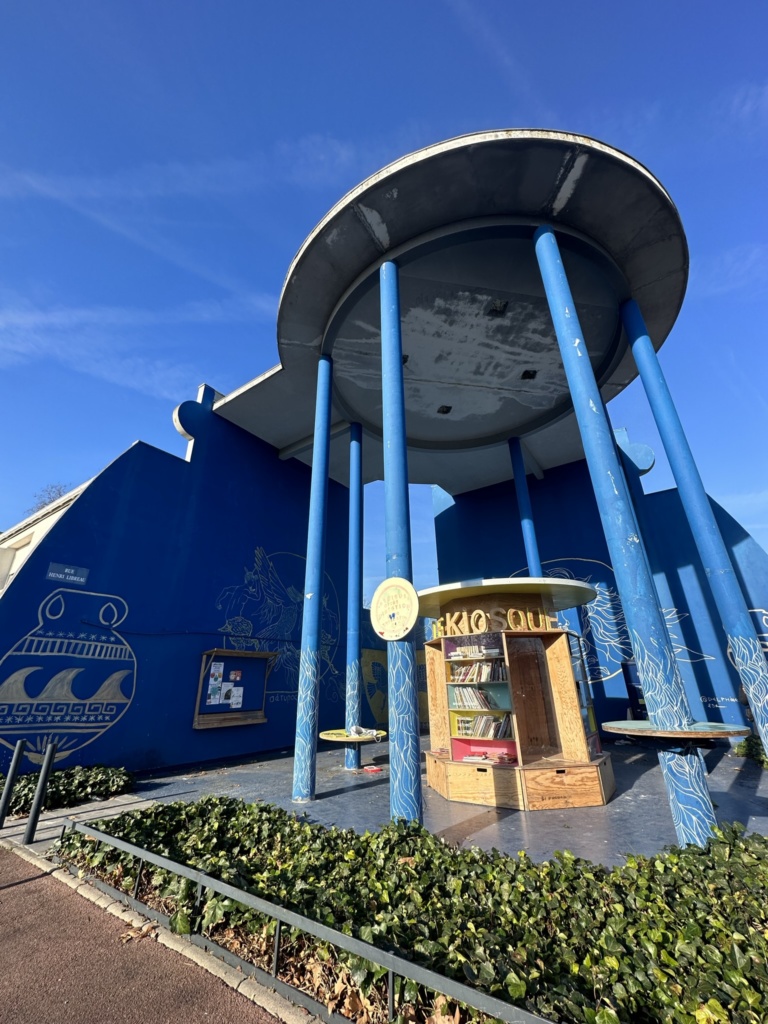
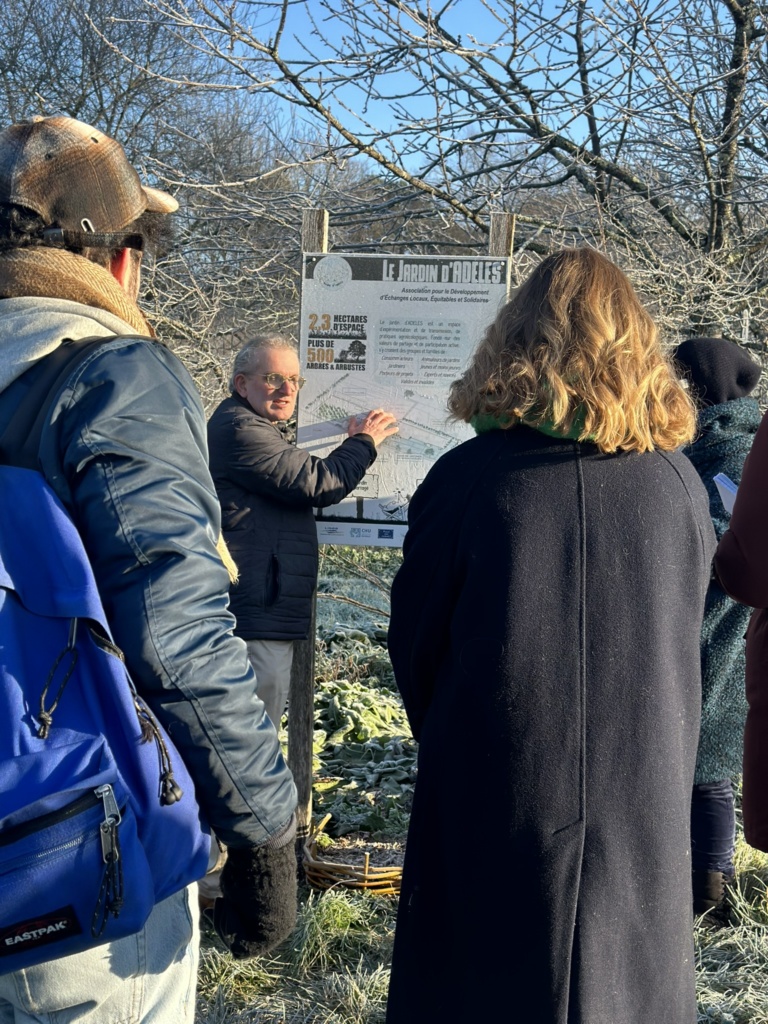
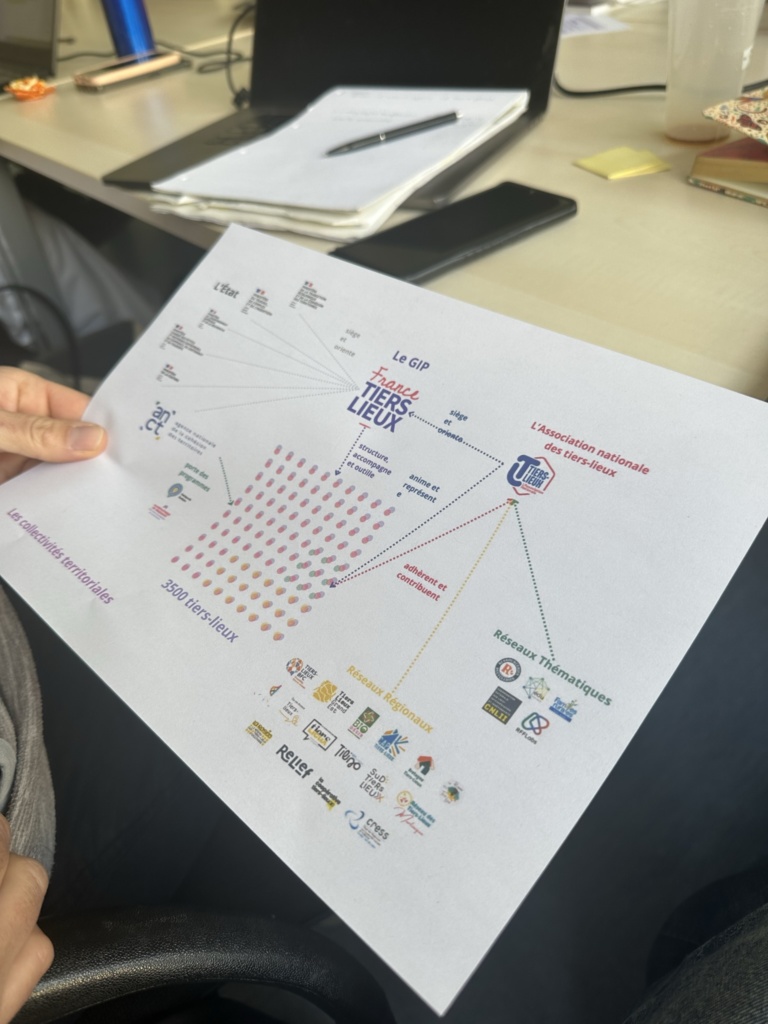
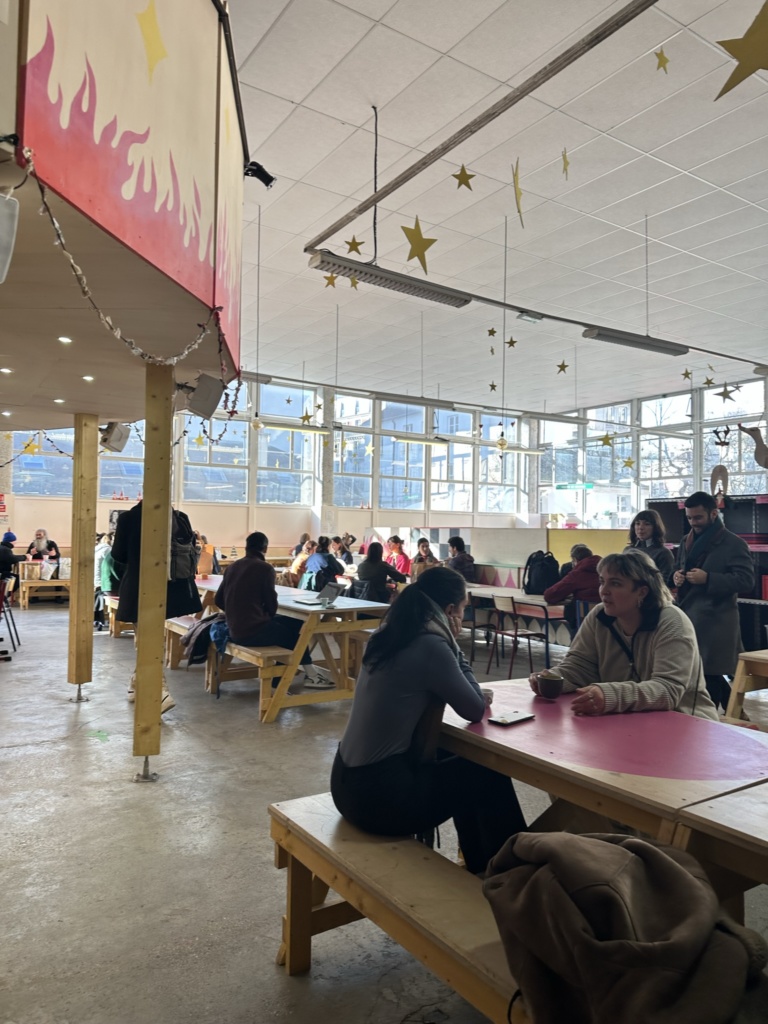
We participated in the first learning visit of the Common Ground project in France, facilitated by our partner organisers, Association Nationale des Tiers-Lieux, whose expertise and strong positioning within the French third-place ecosystem shaped the learning process.
The visit aimed to deepen our understanding of how third places are organised, supported, and embedded in public policy in France, while fostering dialogue between practitioners, users, regional networks, and public institutions. Through presentations, discussions, and field visits, our partners from ANTL introduced us to the historical development of the movement, the role of national and regional structures, and the importance of co-construction between civil society and the state.
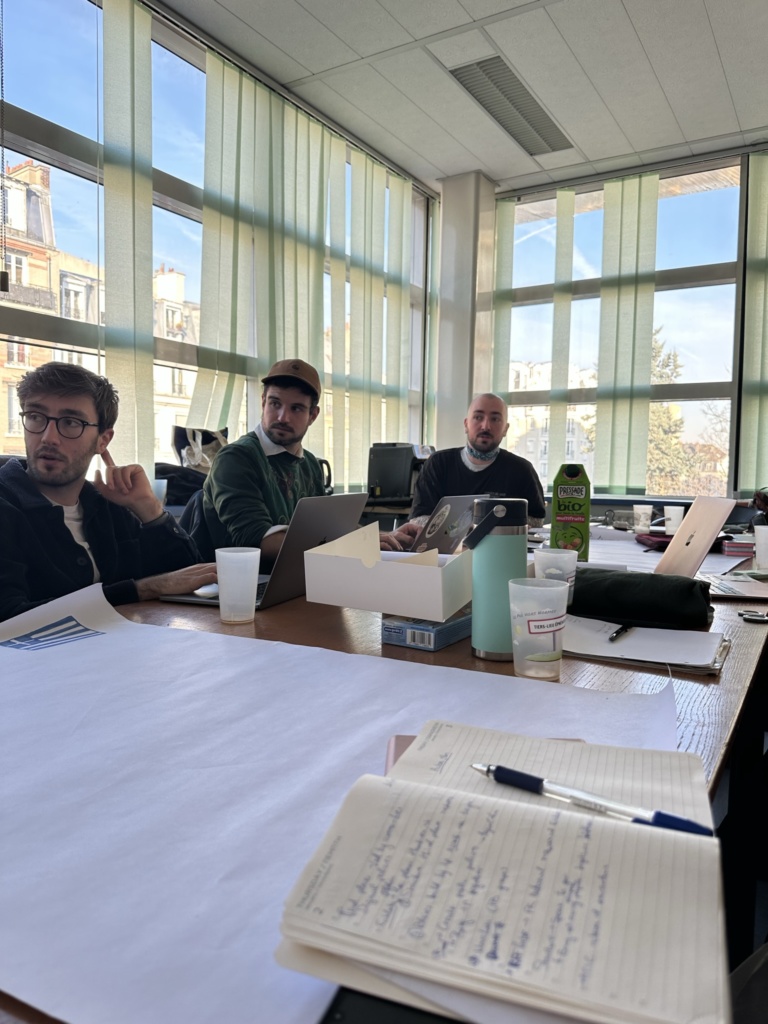
In parallel, the visit created space for all partner organisations to present their own national realities. We shared the Greek context and its challenges around informality, funding, and community-led initiatives, while our partners from Communa ASBL presented the Belgian experience, opening comparative discussions on temporary use, governance models, and long-term sustainability.
This learning visit laid the first foundations for continuing our shared journey into the world of third places in Europe, setting the ground for deeper exploration, exchange, and collaboration in the upcoming learning trips of the Common Ground project.

Learning visit in Belgium
Erasmus+ Project - Common Ground (WP2)
23 - 25 April 2025
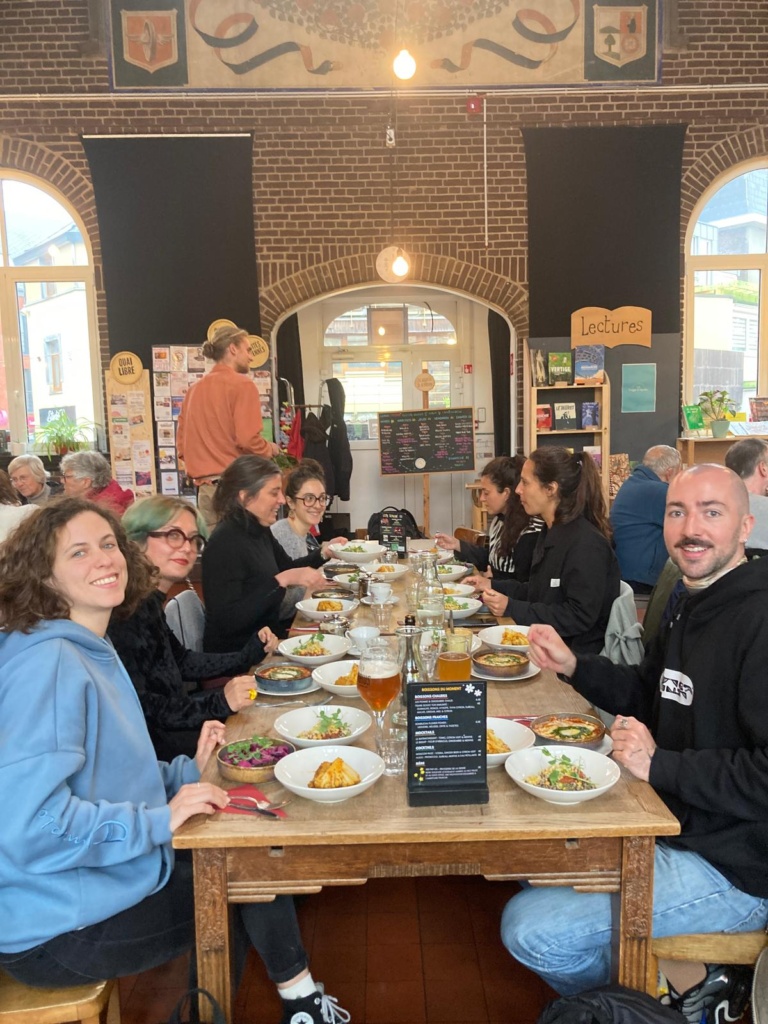
As the second stop in our journey to find Common Ground across Europe, we took part in the WP2 learning exchange in Brussels, facilitated by our partners Communa ASBL. Drawing on their long-standing experience in temporary use and urban commons, the programme focused on exploring the relationship between grassroots initiatives and public policies, with particular attention to temporary urbanism, citizen participation, and shared governance.
Over three days, we visited concrete projects led by Communa, including Minima and Marbré in Brussels, gaining direct insight into the everyday functioning of temporary occupation and user-led spaces. These visits were complemented by discussions with institutional, academic, and municipal actors, offering a multi-level perspective on public policies related to temporary use. Rural third-place models were also explored through visits outside Brussels, highlighting how ecological, educational, and community-oriented initiatives can develop beyond urban settings.
In parallel, space was created for all partner organisations to share their own realities and practices, enriching the learning process through comparison and dialogue. A dedicated session with Diesis Network expanded the conversation to a European scale, connecting local experiences with transnational cooperation and social innovation dynamics.
This second stop in our journey offered a realistic understanding of how third places function on a day-to-day basis, through direct contact with projects, users, and organisers. It allowed us to reflect on governance tools, the distribution of roles, and the balance between coordination, facilitation, and self-management.

Learning visit in Greece
Erasmus+ Project - Common Ground (WP3)
4 - 6 June 2025
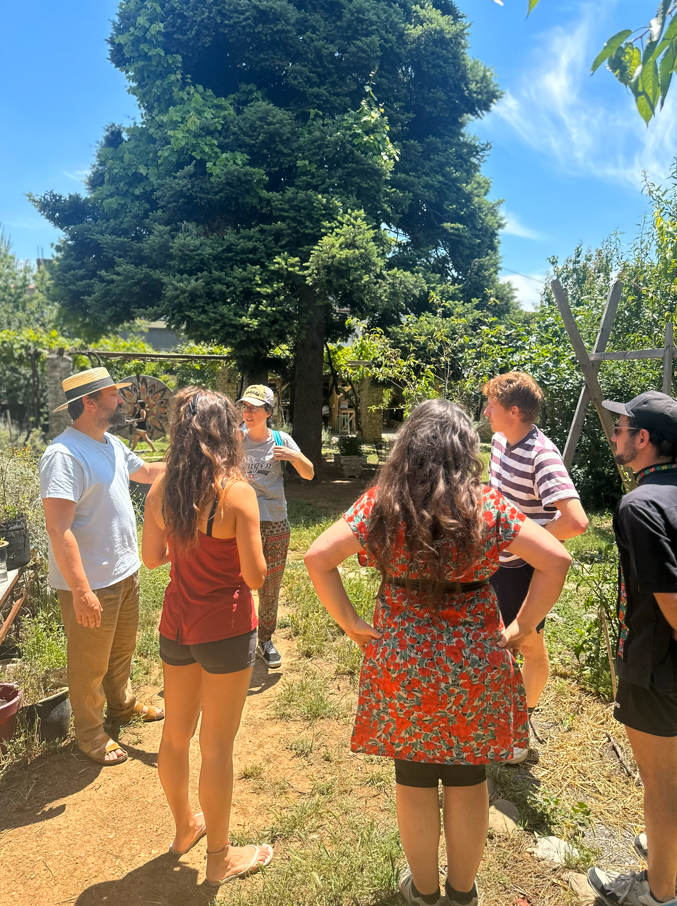
For this learning visit, we hosted and facilitated the exchange at our farm in southern Peloponnese, for a hands-on exploration of the Greek context. The learning process began already during our journey from Athens to Peloponnese, where we engaged in discussions with third-place leaders from both urban and rural environments, setting the ground for shared reflection before arriving on site.
The visit focused on agricultural third places rooted in farms and rural territories that evolve into community hubs combining agroecology, education, culture, and collective living. Through site visits, shared experiences, and facilitated workshops, we explored how these places are shaped by their bioregions, the communities they engage with, and the specific social, economic, and institutional challenges of the Greek context.
Throughout the exchange, we worked collectively to identify key needs, difficulties, and opportunities for agricultural third places in Greece, while reflecting on governance, sustainability, and advocacy. Rather than isolated perspectives, the discussions were informed by the diverse realities of participants encountered along the way, highlighting common challenges as well as context-specific responses across territories.
This visit helped clarify our next steps, both locally and at a European level. It strengthened our understanding of how collaboration can grow across different contexts while respecting local specificities, and reinforced the role of agricultural third places in fostering social resilience, ecological innovation, and community empowerment within wider ecosystems.
Deliverables
During the programme, we produced a series of short videos where each organisation speaks from its own place, community, and regional context.
You can discover them here:
ANTL | France

Communa ASBL | Belgium

The Southern Lights | Greece

Here you can explore the outputs developed by our organisation, with the essential contribution of our partners:
In collaboration with


